How Recycled Metals Power Lasting Manufacturing in Today's Light weight aluminum Foundries
The aluminum industry is undertaking a substantial change driven by the adoption of recycled metals. This change not just enhances power effectiveness yet also lessens environmental influence. Technologies in reusing innovation are vital in this process, ensuring the high quality of recycled light weight aluminum meets industry standards. As the need for lasting production increases, it questions concerning the future of light weight aluminum foundries and their function in a circular economic climate. What are the ramifications for production methods?
The Significance of Recycling in the Aluminum Sector
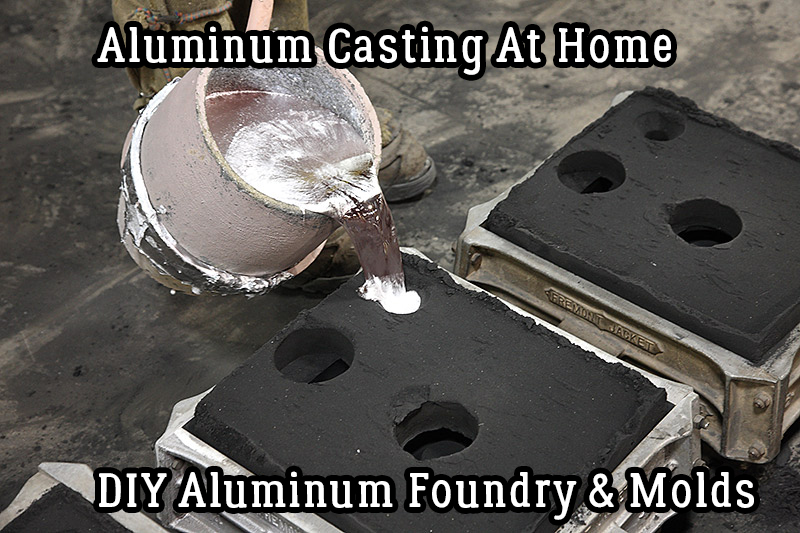
Reusing plays an essential duty in the light weight aluminum market, significantly reducing the environmental effect connected with steel production. The process of recycling aluminum calls for considerably much less energy compared to primary manufacturing, making use of up to 95% much less energy and resulting in lower greenhouse gas discharges. This power performance not only conserves all-natural sources but also reduces the environmental impact of aluminum manufacturing. In addition, reusing aluminum adds to a round economic climate, where products are continually repurposed, thereby decreasing the demand for virgin materials. Aluminum Casting Company. The aluminum industry benefits from the high worth of recycled light weight aluminum, which is frequently preferred as a result of its high quality and minimized ecological price. As even more industries and consumers go with recycled products, the demand for recycled aluminum continues to expand, advertising sustainable methods. Overall, reusing is not just a cost-efficient remedy; it is a vital element in promoting ecological sustainability and enhancing the light weight aluminum industry's future
Technologies in Recycling Innovation
As the light weight aluminum industry progresses, innovations in reusing innovation are transforming the means recycled metals are processed and used. Advanced arranging strategies, such as computerized optical sorting, currently enable factories to successfully compare numerous aluminum grades, making certain higher pureness in recycled products. Furthermore, the application of hydrometallurgical processes allows for the removal of aluminum from complex waste streams, improving total healing rates.
The combination of man-made knowledge and machine understanding in reusing operations improves decision-making and functional effectiveness. These innovations maximize the reusing process by predicting material flows and recognizing potential inadequacies.
Furthermore, the development of closed-loop recycling systems reduces material loss and supports continual use of aluminum items. Technologies in chemical recycling methods are also emerging, allowing the recuperation of light weight aluminum from products that were previously considered non-recyclable. Collectively, these innovations are setting new requirements for sustainability in light weight aluminum foundries, promoting a circular economic climate.
Power Efficiency and Environmental Impact
While the light weight aluminum shop market makes strides in reusing technology, it likewise encounters pressing challenges relating to energy effectiveness and environmental influence. The production of light weight aluminum from recycled materials significantly minimizes power consumption compared to main light weight aluminum manufacturing, yet many factories still count on energy-intensive procedures. These procedures add to greenhouse gas exhausts and ecological destruction, highlighting the requirement for better methods.
Executing energy-efficient technologies, such as advanced melting and casting techniques, can minimize these effects. Additionally, investing and enhancing logistics in renewable resource resources are necessary for lessening the carbon impact connected with aluminum production. The shift to sustainable methods not just benefits the setting however can also improve the economic practicality of foundries, attracting environmentally conscious customers and investors. As the sector progresses, prioritizing energy effectiveness and minimizing environmental damage will be critical for the long-term sustainability of aluminum foundries in an open market.
Top Quality Guarantee in Recycled Light Weight Aluminum Production
Protecting premium requirements in recycled aluminum manufacturing is essential for keeping the stability of the last product. This process begins with the mindful option of scrap products, where contaminants such as plastics, finishes, and various other steels are thoroughly removed. Advanced sorting modern technologies, such as automated systems and hand-operated inspections, play a crucial function in accomplishing this goal.
Once the scrap is regarded ideal, extensive melting and casting processes are utilized, carefully kept an eye on to preserve temperature level and make-up (Precision aluminum casting). Quality guarantee protocols involve routine tasting and screening of the liquified light weight aluminum to spot contaminations and guarantee it satisfies industry specifications
Licensed quality administration systems are carried out, permitting factories to track manufacturing metrics and maintain compliance with global standards. By focusing on quality control throughout the manufacturing cycle, aluminum shops can produce high-performance products that not only satisfy customer expectations but also contribute to lasting production techniques.
Future Patterns in Sustainable Aluminum Manufacturing
The future of lasting light weight aluminum production is positioned for significant transformation, driven by innovations in innovation and boosting ecological recognition. his explanation Market leaders are checking out innovative reusing techniques that improve material healing and lower waste. The assimilation of synthetic intelligence and maker learning in foundries is expected to optimize manufacturing procedures, ensuring efficient use resources while decreasing carbon emissions.
The use of sustainable energy resources, such as solar and wind, is prepared for to come to be a basic method anchor in aluminum production, additional reducing the market's carbon impact. Partnership amongst producers, federal governments, and research organizations is important to establishing sustainable methods and establishing governing frameworks that promote green operations.
Often Asked Concerns
What Types of Metals Are Frequently Recycled Alongside Light Weight Aluminum?
Frequently reused metals alongside aluminum consist of copper, zinc, brass, and steel. These products are commonly gathered from various resources, including building and construction sites, vehicle elements, and customer items, adding to a round economic situation and sustainable source management.
How Is Recycled Aluminum Different From Primary Light Weight Aluminum?
Recycled light weight aluminum varies from key light weight aluminum in its manufacturing procedure; it needs considerably less power and emits fewer greenhouse gases. Furthermore, recycled aluminum maintains similar homes and high quality, making it a sustainable option for various applications.
What Are the Economic Advantages of Utilizing Recycled Metals?
Utilizing recycled metals significantly decreases manufacturing prices, reduces power usage, and decreases waste disposal costs. This method also promotes job development in reusing industries, adding to an extra lasting economic situation while improving source efficiency throughout numerous fields.
Just How Does Recycled Aluminum Influence Item Design?
Recycled light weight aluminum affects item layout by allowing for greater flexibility in dimensions and forms, lowering weight, and motivating innovative methods. Developers can integrate sustainability seamlessly, enhancing looks while minimizing environmental influence Read Full Article and resource usage.
Are There Certain Laws for Recycled Light Weight Aluminum Manufacturing?
Yes, details regulations regulate recycled light weight aluminum production, concentrating on ecological standards, safety and security methods, and recycling procedures. Conformity warranties that makers minimize discharges, promote sustainable methods, and maintain item high quality throughout the aluminum lifecycle.
The light weight aluminum market advantages from the high worth of recycled light weight aluminum, which is typically liked due to its quality and decreased environmental price. As even more customers and sectors choose for recycled products, the need for recycled aluminum proceeds to expand, promoting sustainable techniques. The production of light weight aluminum from recycled materials substantially decreases power consumption contrasted to main light weight aluminum production, yet several shops still depend on energy-intensive processes. Recycled aluminum differs from primary aluminum in its manufacturing procedure; it needs considerably less energy and releases less greenhouse gases. Yes, certain regulations control recycled aluminum manufacturing, focusing on ecological standards, security methods, and reusing processes.